Fotona 4D Laser Facial (TimeWalker) Encino, CA: A Customized Solution for Facial Rejuvenation
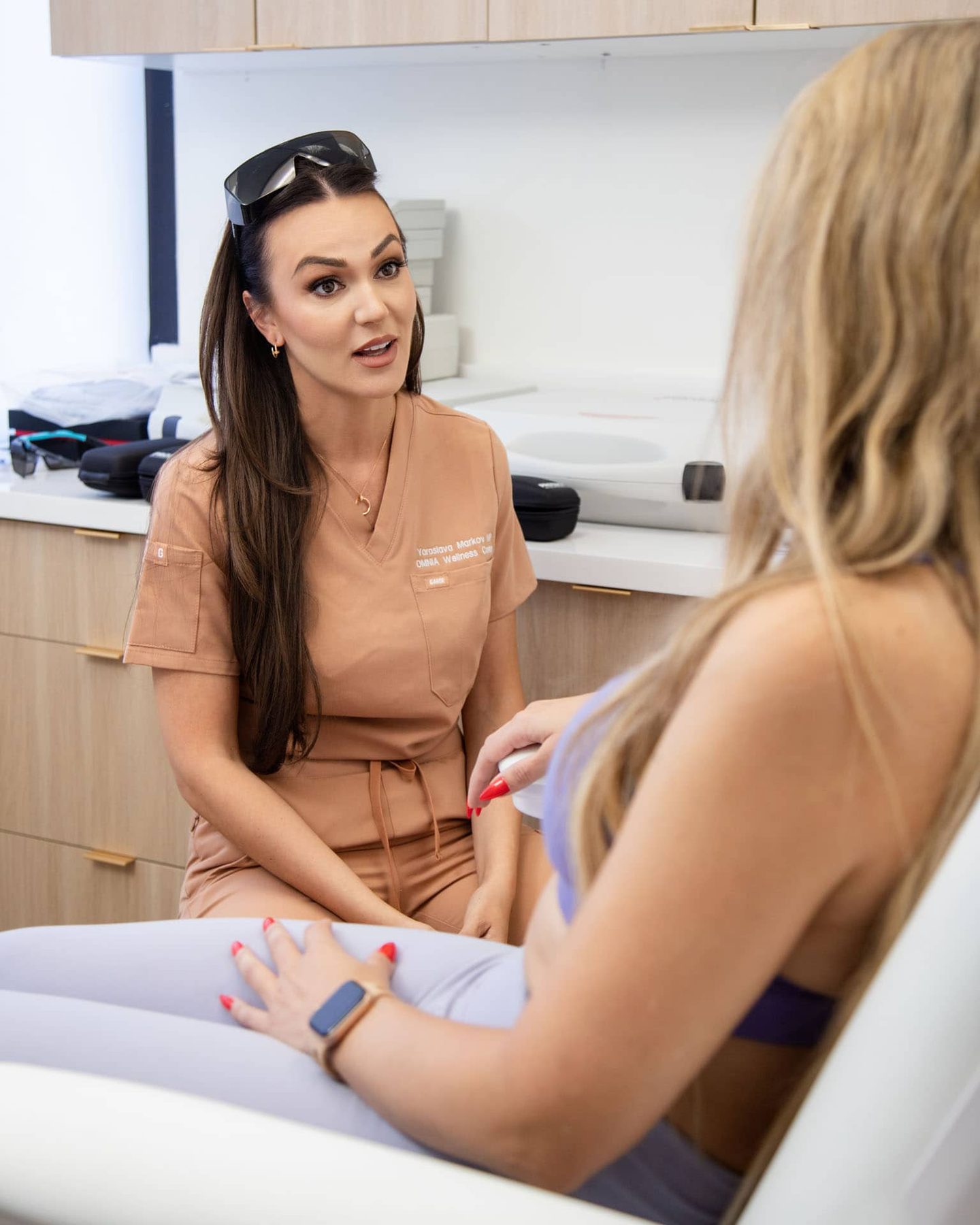
Aging rarely shows up in just one layer of the face. Most people notice a mix of changes that do not respond equally to the same treatment: laxity around the jawline, etched lines around the mouth, crepey skin under the eyes, loss of glow, enlarged pores, a tired look that lingers even after sleep. That is exactly why single-mode treatments can fall short. They may improve texture or tone, but leave deeper structural concerns untouched.
The appeal of the Fotona 4D Laser Facial, often associated with the TimeWalker platform, is that it was designed around a more realistic view of facial aging. Instead of treating only the skin surface, it works through multiple modes and tissue depths in the same session. For patients in Encino who want noticeable rejuvenation without committing to surgery, that layered approach matters. It gives providers room to customize, and customization is where good results usually begin.
Why a multi-dimensional treatment often makes more sense
When patients describe what they want, they rarely ask for a single technical endpoint. They do not come in saying they want a fractional pass at a certain density. They say they want to look less drawn, less saggy, less dull, less lined. Those are overlapping concerns. The face changes in contour, elasticity, collagen support, and surface quality at the same time.
That is the logic behind Fotona 4D. It combines several treatment modes, each targeting a different level of tissue remodeling. The treatment may include intraoral tightening, deeper heating for collagen contraction, fractional resurfacing, and a light finishing pass for tone and texture. The exact sequence and intensity depend on skin condition, age, downtime tolerance, and treatment goals.
This matters in practice because two people of the same age can present very differently. One 42-year-old may have strong facial structure but early perioral lines and rough texture from years in the sun. Another may have smoother skin but clear lower-face laxity and softness through the cheeks. Giving both of them the same laser settings would be lazy medicine. The best outcomes come from adjusting the treatment to the face in front of you.
What the TimeWalker approach actually treats
The name can sound futuristic, but the treatment goals are concrete. In most settings, the Fotona 4D Laser Facial is used to address facial rejuvenation across several categories: skin texture, early to moderate laxity, fine lines, nasolabial area softening, lip lines, uneven tone, and overall vitality of the skin.
One of its distinguishing features is the intraoral component. That part often surprises patients. A provider uses a smooth handpiece inside the mouth to deliver controlled energy to the mucosal side of the cheeks and perioral tissues. The idea is to stimulate tightening from within, especially around the nasolabial folds and lower face. For the right patient, this can create a subtle but meaningful improvement in facial support without incisions or injectable volume.
Then there is the external treatment component, where other laser modes target deeper dermal heating and more superficial resurfacing. These layers of treatment can improve firmness while also refining texture and reducing that fatigued, weathered look that often shows up as skin ages in Southern California.
Patients looking into Fotona 4D Laser Facial (TimeWalker) Encino, CA are often trying to avoid the binary choice between "do nothing" and "get surgery." This treatment sits in that middle space. It is not a facelift, and it should never be sold as one. But it can be very effective for someone who wants a fresher, tighter, more polished look with manageable downtime.
The four dimensions, explained without the marketing gloss
A lot of aesthetic technologies sound impressive until you ask what they really do. With Fotona 4D, the treatment concept is fairly straightforward once you strip away the branding. It relies on four modes that may be combined in a single session.
- The first dimension usually focuses on the inside of the mouth, where energy is delivered to stimulate collagen remodeling in deeper tissues.
- The second typically heats deeper skin layers externally to encourage tightening and support.
- The third often uses fractional treatment to address surface irregularities, fine lines, and texture.
- The fourth is a lighter finishing pass that can improve radiance and polish the overall result.
The exact names of these modes may vary in how clinics discuss them, but the principle remains the same: deeper support plus surface refinement. This is one reason patients often say they look better in a way that is hard to pinpoint. The result is not just smoother skin or just tighter skin. It can be a composite improvement.
In experienced hands, the real value is not merely stacking four laser passes. It is knowing how much of each mode to use, and when to hold back. Over-treating can create unnecessary swelling or prolong recovery. Under-treating can leave a patient disappointed after investing time and money. The treatment is only as good as the judgment behind it.
Who tends to be a strong candidate
The treatment often works best for people with mild to moderate aging changes who still have enough skin quality and collagen reserve to respond well. That usually includes adults who are beginning to see softening along the jawline, textural aging, smoker's lines around the mouth, early cheek descent, or a general loss of skin bounce.
In Encino, many patients are active, social, and professionally visible. They want treatments that fit into real life. They may be attending events, managing careers, on camera for work, or simply not interested in taking weeks off to recover. These are exactly the patients who often gravitate toward non-surgical options like Fotona 4D.
That said, the best candidate is not defined by age alone. Skin thickness, degree of laxity, pigmentation patterns, recent sun exposure, history of melasma, and prior procedures all matter. A patient with advanced jowling and significant skin redundancy may still be better served by surgery or by combining modalities over time rather than expecting one laser series to solve everything.
There are also patients who benefit from this treatment because they do not want injectables, or want fewer of them. While laser rejuvenation cannot replace the volumizing effect of filler or the muscle-relaxing effect of neuromodulators, it can improve the skin envelope itself. Sometimes that means a patient needs less filler than they expected. Sometimes it means their injectables look better because the skin above them looks healthier and tighter.
What a session feels like
Patients usually want the unvarnished version, not the spa brochure version. Most Fotona 4D sessions are tolerable, but they are not the same as lying under a sheet mask. Comfort varies by treatment depth, settings, and individual sensitivity.
A topical numbing cream may be used, especially when resurfacing is part of the plan. The intraoral step feels unusual more than painful for many people, though some areas near the corners of the mouth can be sensitive. The external heating portion often feels like warmth building in the tissue. Fractional passes can feel pricklier and more intense. Cooling and breaks help. So does a provider who communicates clearly and adjusts to your response in real time.
Treatment time commonly lands somewhere around 45 minutes to 90 minutes depending on what is being done, whether neck treatment is included, and how customized the session is. A streamlined maintenance treatment is very different from a full rejuvenation appointment.
Afterward, patients can expect some degree of redness and warmth. With lighter settings, it may look like a brisk workout flush and settle quickly. With more aggressive resurfacing components, redness and swelling can last several days, and the skin may feel rough or dry as it renews. Good counseling here is important. People tolerate downtime far better when they know what is normal.
The recovery window, realistically
One reason this treatment remains popular is that downtime is usually manageable, but "minimal downtime" means different things to different people. For someone who works from home, two days of redness is minimal. For someone in client-facing meetings or public performance, even one day can feel significant.
Most patients can resume routine activities quickly, but they should plan around visible redness, mild swelling, or a sandpapery texture for a few days. Makeup may be possible after a certain point, depending on the level of resurfacing and your provider's instructions. Sun protection is non-negotiable. In the San Fernando Valley, where bright sun is part of daily life, post-laser UV exposure can undermine results and increase the risk of unwanted pigment changes.
There is also a psychological aspect to recovery that clinics sometimes gloss over. Early swelling can make the face look temporarily fuller or tighter than the final result. Then that settles, and patients may worry they have "lost" the treatment effect before collagen remodeling has had time to build. That is normal. Laser tightening is a process, not an overnight reveal.
When results show up, and how long they last
Some patients notice a freshening effect within days because the skin surface looks smoother and more luminous. The more structural benefits, especially those tied to collagen remodeling and tightening, usually take longer. It is common for results to continue evolving over several weeks to a few months.
Longevity depends on the baseline condition of the skin, treatment intensity, age, hormonal factors, sun habits, and whether the patient follows a maintenance plan. There is no universally honest answer that fits everyone. Some people are pleased for many months after a series. Others prefer maintenance treatments at regular intervals to preserve momentum.
This is where good expectation-setting separates a strong practice from a sales-driven one. Fotona 4D can deliver meaningful improvement, but it does not freeze aging. Lifestyle still matters. So do skincare, UV exposure, and basic biological reality. Patients who understand that tend to be happiest because they judge success by visible improvement, not fantasy.
How it compares with other rejuvenation options
No single treatment owns the entire category of non-surgical facial rejuvenation. Fotona 4D is one option among many, and whether it is the best Fotona 4D Laser Facial (TimeWalker) Encino, CA one depends on what bothers you most.
If a patient mainly has pigment and redness, a vascular or pigment-focused laser may do more. If volume loss is the dominant issue, filler or biostimulatory injectables may be more effective. If etched wrinkles and significant textural aging are the primary problem, a stronger resurfacing treatment may be worth the extra downtime. If laxity is advanced, surgery will usually outperform energy-based devices.
Where Fotona 4D earns its place is in the patient who wants balanced improvement across several dimensions without going fully ablative and without stepping into surgery. It is especially attractive for people who want a treatment plan that addresses both deeper support and superficial refinement in a coordinated way.
I have seen patients do well with this approach when they previously bounced between isolated treatments that never quite added up. A little filler one year, a light peel another year, maybe a generic skin-tightening session somewhere in between. Each intervention helped a bit, but the overall picture stayed incomplete. A structured laser plan can be more coherent because it treats the face as a system, not a set of disconnected complaints.
Why provider skill matters more than the device brochure
Patients understandably focus on the machine, but outcomes depend heavily on who is holding the handpiece. A sophisticated platform can still deliver mediocre results if the treatment is formulaic. Conversely, a thoughtful provider can get excellent outcomes by tailoring the treatment to anatomy, skin behavior, and tolerance.
A strong consultation should include an honest discussion of what the treatment can and cannot do. That means looking at skin thickness, facial movement, scar history, pigmentation risk, oral health if intraoral treatment is planned, and whether there are better alternatives for your goals. It also means considering timing. Laser done right before a beach vacation, major event, or intense sun exposure is often a poor idea.
The phrase Fotona 4D Laser Facial (TimeWalker) Encino, CA may lead people to search by geography first, but proximity should not outrank expertise. Encino has no shortage of aesthetic options. The important question is whether the clinician has experience not just with operating the platform, but with facial assessment, laser safety, and treatment sequencing.
Questions worth asking before you book
A consultation should leave you better informed, not simply reassured. If the conversation feels rushed or overly promotional, that is useful information.
Here are a few questions that tend to reveal whether the plan is genuinely customized:
- Which components of the Fotona 4D treatment do you recommend for my face, and why?
- How much downtime should I realistically expect based on my settings?
- Am I a good candidate for intraoral treatment, or is another approach better?
- How many sessions do you think I will need for my goals?
- What signs would tell you that I should consider a different treatment instead?
Those questions matter because they pull the discussion away from generic promises and toward individual planning. A provider who can answer them clearly is usually thinking at the right level.
Practical preparation and aftercare
The days around laser treatment are not the time to experiment with harsh skincare. Patients do best when the skin barrier is calm going in and protected afterward. Recent tanning, active irritation, aggressive exfoliation, and inconsistent sunscreen use can all complicate healing.
After treatment, gentle cleansing, barrier-supportive moisturization, and strict sun avoidance are standard common-sense priorities. Some patients are surprised by how much better their results look when they treat aftercare as part of the procedure rather than an afterthought. Healing skin is responsive skin. Neglecting it can turn an elegant treatment into a mediocre outcome.
One practical point that deserves more attention in Encino is heat exposure. Hot yoga, long outdoor exercise sessions, saunas, and prolonged sun in the immediate recovery period can intensify redness and delay settling. It is not forever, but it does require short-term discipline.
The role of combination treatment
One of the strengths of Fotona 4D is that it combines multiple laser strategies within one framework. Even so, the best comprehensive rejuvenation plans often extend beyond a single visit or even a single modality.
For example, someone with texture, mild laxity, and dynamic forehead lines may do very well with a laser series plus neuromodulator. A patient with lower-face softening and collagen loss might combine laser with biostimulatory treatment over time. Another patient may use Fotona 4D as a maintenance strategy after having already done a deeper resurfacing procedure or surgery in earlier years.
This is where restraint matters. Not every face needs everything. The most sophisticated treatment plans are often selective. They use enough intervention to create meaningful change, but not so much that the face looks overworked or the patient ends up chasing diminishing returns.
What patients in Encino often value most
In this area, patients tend to be discerning. They have seen enough aesthetic work, both excellent and unfortunate, to care less about hype and more about whether a treatment looks believable. Natural-looking improvement is usually the goal. Better skin quality. Softer lines. More definition. Less fatigue in the face. Not a sudden shift that makes friends ask what happened.
That is where the Fotona 4D Laser Facial (TimeWalker) Encino, CA conversation becomes less about trends and more about fit. For the right patient, it offers a middle path: more comprehensive than a simple facial, less disruptive than surgery, and more strategic than chasing one isolated concern at a time.
When the treatment is properly selected and skillfully delivered, the result is often exactly what people hoped for in the first place. Not a different face. Just a version that looks firmer, smoother, and more rested, with the kind of improvement that reads as healthy rather than obvious.
OMNIA Wellness Center
16430 Ventura Blvd Ste 207, Encino, CA 91436
Phone: +1 818-386-8511
FAQ About Fotona 4D Laser Facial (TimeWalker) Encino, CA
What is a Fotona laser good for?
Fotona lasers support several different aesthetic protocols. The Fotona 4D facial uses two wavelengths and four treatment modes to address concerns such as fine lines, skin texture, and mild laxity. OMNIA Wellness Center offers the TimeWalker facial with an individual consultation. Suitability and likely improvement depend on the person's skin and goals; results are not guaranteed, and this treatment does not reproduce a surgical facelift.
How much does a Fotona laser treatment cost?
The cost depends on the treatment protocol, areas treated, number of sessions, and provider's assessment. Ask OMNIA Wellness Center for a current written quote that explains what is included, whether follow-up is included, and any proposed package terms. An individualized estimate is more useful than assuming that one advertised price applies to every facial treatment.
How much downtime is there after a Fotona laser procedure?
Recovery varies with the specific protocol and intensity. Fotona describes its 4D facial as having little to no downtime, but temporary redness or sensitivity can occur, and a stronger surface treatment can require more recovery. Ask the treating clinician what to expect from the planned settings, how to care for the skin afterward, and when to contact the clinic with concerns.