Fotona Laser Treatments Encino, CA: Your Complete Introduction
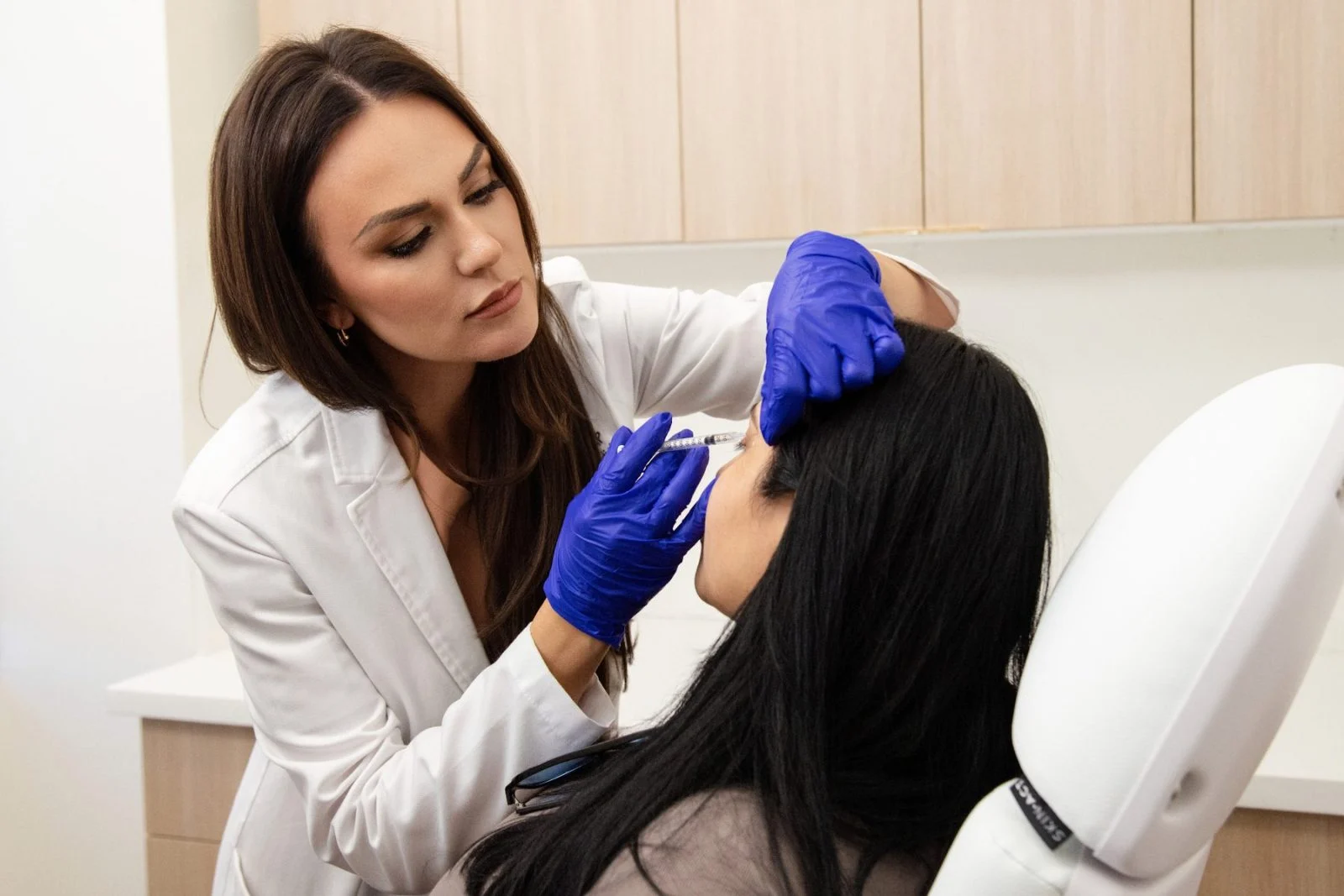
If you have been researching non-surgical skin rejuvenation in the San Fernando Valley, you have probably seen growing interest in Fotona laser treatments. Patients ask about it for different reasons. Some want a fresher look without looking "done." Others are trying to soften acne scars, improve skin tone, tighten the jawline, or address intimate wellness concerns in a way that feels lower commitment than surgery. What makes Fotona worth understanding is that it is not one single treatment in the way many people assume. It is a laser platform used for several different applications, and that distinction matters.
For anyone considering Fotona Laser Treatments Encino, CA, the best place to start is with clarity. What does the treatment actually do, who is a good candidate, what does recovery feel like, and how do you tell whether the provider in front of you is choosing the right setting and protocol for your skin rather than just selling the newest device on the menu?
Those questions are more important than the marketing language. A laser can be excellent in skilled hands and disappointing in rushed or overly aggressive hands. The machine matters, but the judgment behind it matters more.
What Fotona actually refers to
Fotona is the name of a laser manufacturer known for systems that often combine Er:YAG and Nd:YAG wavelengths. That technical detail sounds abstract until you understand why it matters. Different wavelengths interact with tissue in different ways. One can target superficial skin resurfacing more precisely, while another can reach deeper tissue for heating, collagen remodeling, or vascular concerns. That flexibility is one reason experienced aesthetic providers like the platform.
In practical terms, Fotona treatments can be adapted for concerns such as fine lines, texture irregularities, enlarged pores, mild skin laxity, acne scarring, redness, pigmented sun damage in selected cases, and certain gynecologic wellness applications. Not every concern is best treated with Fotona, and not every Fotona protocol is interchangeable. Someone with etched lip lines and crepey lower eyelids may need a different approach than someone with early jowling or post-acne textural change.
That is why a proper consultation should sound less like a sales script and more like a planning session. A thoughtful provider will ask what bothers you most, what downtime you can tolerate, whether you have a history of melasma or post-inflammatory hyperpigmentation, whether you have taken isotretinoin recently, whether you form keloids, and whether you have events coming up in the next few weeks. Those details shape the treatment plan.
Why Encino patients often look at Fotona first
Encino has no shortage of patients who want effective cosmetic treatment without the optics or recovery of surgery. Many work in professions where they need to look rested and polished but cannot disappear for several weeks. Others are active parents or caregivers and simply do not want a prolonged healing period. Fotona sits in a useful middle ground. It can often produce visible improvement with less downtime than more aggressive fully ablative resurfacing, while still offering more than a basic facial or light peel.
That said, expectations need to be calibrated. One treatment rarely transforms everything. More often, Fotona is part of a layered skin strategy. A patient might use it to improve texture and tighten tissue, then maintain results with diligent sunscreen, medical-grade skincare, occasional neuromodulators, or other energy-based treatments when appropriate. The people happiest with laser treatment usually understand that skin quality improves by accumulation, not by miracle.
The most common cosmetic uses
A lot of first-time patients walk into a clinic thinking there is a single "Fotona facial." In reality, there are several recognizable protocols. The most talked about is often the so-called 4D approach, which combines multiple treatment modes to address tissue from the inside of the mouth and from the outer skin surface. It is commonly used for mild to moderate tightening, softening fine lines, and improving overall skin quality.
Then there are resurfacing treatments aimed more squarely at texture. These may help with shallow acne scars, roughness, enlarged pores, and fine wrinkling. Depending on the intensity, they can range from a lunchtime-level refresh to a treatment that involves several days of redness, swelling, and visible exfoliation.
Another group of patients seeks Fotona for acne or rosacea-adjacent concerns, though results vary and correct diagnosis matters. Redness caused by vascular reactivity is not the same as pigment, and neither is the same as inflamed acne lesions. An honest consultation will distinguish among those rather than treat every complexion issue as a generic "laser candidate."
How the treatment feels in real life
Patients usually want the plainspoken version. Does it hurt? Sometimes, yes, but usually not in a way most people find unmanageable.
The sensation depends on the protocol. Some modes feel warm and prickly, almost like repeated snaps with rising heat. Fotona Laser Treatments Encino, CA Others feel more intense, especially around the mouth, nose, and bony areas. Internal oral treatment used in some tightening protocols feels unusual rather than sharply painful. Stronger resurfacing passes can sting considerably, which is why topical numbing is often used and why experienced staff monitor comfort closely instead of pretending everything is "completely painless."
The treatment room experience is typically straightforward. Your skin is cleansed, photos may be taken, eye protection is placed, and numbing may be applied if needed. The provider moves the handpiece across targeted areas in deliberate passes, sometimes switching settings or handpieces during the session. More conservative sessions may wrap up in under an hour. More involved treatments can take longer, especially if numbing time is included.
Afterward, your skin may feel hot, tight, or sunburned. Mild swelling, especially under the eyes, is common with some protocols. The social downtime ranges from almost none to several days, depending on intensity. A patient treated lightly on Thursday may be comfortable for meetings by Friday with tinted mineral sunscreen. A patient who undergoes more aggressive resurfacing may prefer a few days out of the public eye.
Results, timing, and the part people underestimate
One of the biggest mismatches between patient expectation and reality is timing. Some improvements show up early. Skin can look brighter or more refined once initial inflammation settles. But collagen remodeling takes longer. Tightening and texture changes often develop gradually over weeks to months.
This lag is not a sign that nothing happened. It is the biology doing its work. Collagen synthesis is slower than social media timelines suggest. Providers who oversell "instant results" are often setting up frustration, particularly for patients seeking lift. Laser-induced tightening can help mild laxity. It is not a replacement for surgery in someone with heavy lower-face descent or significant neck skin looseness.
A practical frame is to think in terms of improvement rather than replacement. Better skin texture, softer fine lines, a smoother under-eye transition, a little more firmness in the cheeks or jawline, and a healthier overall look are realistic goals. Erasing ten years from a face in one session is not.
Who tends to be a good candidate
The strongest candidates are usually people with mild to moderate concerns who want visible improvement without surgery and are willing to follow a treatment plan. That often includes adults beginning to notice early tissue laxity, persistent textural issues from acne, superficial wrinkling around the mouth, or a generally tired skin surface from sun exposure and age.
Skin tone matters, not because darker skin cannot be treated, but because the margin for error can be narrower with some resurfacing approaches. The risk of post-inflammatory hyperpigmentation can be higher in certain skin types, especially if settings are too aggressive or aftercare is poor. A provider experienced with a range of skin tones should talk openly about that. If they gloss over pigment risk entirely, that is not reassuring.
Season and lifestyle matter too. Someone who spends every weekend hiking in direct sun, travels constantly, or cannot avoid heat and heavy workouts for a few days may need a different schedule or a more conservative plan. Good laser outcomes are not just about the session itself. They depend on what happens before and after.
Who should slow down and ask more questions
There are situations where caution is wise. Active infections, open lesions, recent significant tanning, certain medications, a tendency toward poor wound healing, or uncontrolled skin conditions can all affect candidacy. A history of melasma deserves special discussion because heat can aggravate pigment in some patients. That does not always rule treatment out, but it changes how a careful provider plans.
Patients hoping laser can correct substantial sagging should also pause. If your main concern is a heavy neck, pronounced jowls, or significant eyelid laxity, you may be better served by a omniawellnesscenterencino.com Fotona Laser Treatments Encino, CA surgical consultation or a combination plan rather than relying on a non-surgical device to do a surgical job. The most ethical practitioners say that plainly.
What downtime really looks like
Downtime is one of the most misunderstood aspects of Fotona Laser Treatments Encino, CA. Clinics often use the same word to describe very different experiences. For one patient, downtime means a little redness for an evening. For another, it means bronzing, rough texture, swelling, and visible peeling for several days.
A sensible consultation should explain your likely recovery in concrete terms. Can you wear makeup the next day? Will your skin look puffy? Will there be pinpoint crusting? Can you exercise? Can you attend a dinner the following night without people noticing? Those are the questions real patients care about.
With lighter treatments, many people return to normal routines quickly. With more aggressive resurfacing, it is smart to block social plans and work obligations for several days. If a clinic minimizes this too heavily, be skeptical. Underpromising and overdelivering is better than the reverse.
Cost in the Encino market
Pricing varies widely based on the area treated, the specific protocol, the provider's expertise, and whether you are purchasing a single session or a series. In a market like Encino, prices often reflect not just the machine but the skill level of the person using it, the consultation time, the facility, and follow-up care.
Cheaper is not always better with lasers. If a price seems strikingly low, it is fair to ask what is included. Is the treatment being performed by a physician, nurse, or technician, and with what level of oversight? How much customization is involved? Are follow-up visits included? Is numbing part of the fee? Are post-care products provided? Bargain pricing can come with very conservative settings that produce little benefit, or with rushed treatment that is not worth the risk.
At the same time, high pricing alone does not guarantee quality. Patients sometimes assume the most expensive clinic must be the most expert, when in reality the better indicator is how carefully the provider evaluates your skin, explains options, and sets expectations.
The consultation should answer these questions
When patients tell me they feel overwhelmed comparing providers, I usually suggest focusing on a few specific questions rather than trying to decode every marketing term.
- What exact concern are you treating in me: pigment, redness, texture, laxity, scars, or a combination?
- Which Fotona protocol or settings are you considering, and why is that the best fit for my skin?
- How many sessions do you think I will realistically need for meaningful improvement?
- What is the most likely downtime for my treatment, not the best-case scenario?
- What risks are most relevant for my skin tone and medical history?
A good provider can answer those directly, without drifting into vague reassurance.
How Fotona compares with other common options
Patients often ask whether Fotona is better than microneedling, RF microneedling, fractional CO2, IPL, or ultrasound-based tightening. The honest answer is that "better" depends on the problem being treated.
For texture and fine surface changes, some Fotona resurfacing approaches can outperform lighter treatments and may involve less downtime than more aggressive fully ablative options. For deep acne scars with tethering, subcision or combination therapy may be more important than laser alone. For diffuse brown sun spots or redness, another device may be more specifically suited depending on skin type and diagnosis. For significant skin laxity, surgery still sets the benchmark.
This is where experienced judgment matters. The strongest treatment plan is often not based on loyalty to one device. It comes from matching the tool to the problem. A provider who recommends the same machine for every patient is usually telling you more about their inventory than your needs.
A note on the "natural look"
One reason many people are drawn to laser rejuvenation is that it tends to improve how skin behaves and reflects light. That sounds subtle, but it is often the difference between looking polished and looking altered. Better texture, more even tone, and mild tightening can make the face look healthier without changing identity.
That said, natural-looking does not mean invisible. Friends may not say, "You had a Fotona treatment," but they may say you look rested, smoother, or somehow brighter. For a lot of patients in Encino, that is exactly the goal.
What to expect after your session
Aftercare is not glamorous, but it is where many outcomes are protected or compromised. Skin that has been heated or resurfaced is more vulnerable to irritation, pigment shifts, and prolonged redness if handled carelessly. The basics are not complicated, but they do require discipline for several days.
- Use only the post-care products your provider recommends, usually bland, non-irritating skincare.
- Avoid active ingredients such as retinoids, exfoliating acids, and harsh scrubs until cleared.
- Keep heat exposure low, which means no hot yoga, saunas, steam rooms, or strenuous exercise if advised against.
- Wear broad-spectrum sunscreen carefully and reapply, especially in the Encino sun.
- Do not pick, rub, or prematurely exfoliate flaking skin.
Patients who treat aftercare casually often end up with longer redness or uneven healing. Patients who follow instructions closely tend to heal faster and more predictably.
The less obvious risks
Most discussions of laser risk focus on redness, swelling, and pigment change, which are real and worth respecting. But there are subtler risks too. One is overtreatment. Chasing dramatic results by turning settings up too aggressively can backfire, especially in patients who would have done beautifully with a measured series. Another is poor sequencing with other treatments. For example, if you have recently had significant sun exposure, a peel, or certain injectables, timing may need adjustment.
There is also the risk of treating the wrong issue. I have seen patients pursue resurfacing when their main problem was actually volume loss, or seek tightening when their biggest concern was pigment. When the diagnosis is off, even technically competent treatment can disappoint.
How many sessions are usually needed
This varies enough that any universal number would be misleading. Some people benefit from a single higher-intensity session each year. Others do better with a series of lighter sessions spaced over several weeks. Acne scars, laxity, and long-standing texture issues often improve more with repetition than with one isolated visit.
If your provider says you will definitely need only one session for a complicated problem, ask why they are so certain. Most seasoned clinicians speak in ranges. They might say that mild texture concerns often respond within one to three sessions, while scar remodeling may take several treatments and still improve incrementally rather than completely. That kind of answer tends to be more trustworthy.
Choosing a provider in Encino
There is no substitute for a provider who understands both the technology and the skin in front of them. In a place like Encino, you will find excellent aesthetic practices, but you will also find broad variation in training and approach. A polished website does not tell you whether someone has a conservative eye, strong laser judgment, or experience managing complications.
Look for someone who documents results honestly, evaluates your full medical and skin history, discusses alternatives, and seems unbothered if you need time to think. Pressure is a red flag. So is one-size-fits-all language. The best consultations usually feel surprisingly calm. You leave with a clearer sense of what the treatment can do, what it cannot do, and whether it is the right step now.
The bigger picture for skin quality
For many patients, Fotona becomes part of a broader maintenance rhythm rather than a one-time event. That is not a cynical upsell. It reflects how skin ages. Collagen declines, sun exposure accumulates, and expression lines deepen over time. One thoughtful treatment can create momentum, but preserving that gain depends on what follows.
The patients who age especially well are rarely the ones chasing the most extreme interventions. More often, they are the ones making steady, informed decisions: sunscreen every day, sensible skincare, measured energy-based treatments, realistic expectations, and providers who know when to treat and when to hold back. If you are exploring Fotona Laser Treatments Encino, CA, that is the frame worth keeping. The goal is not to become someone else. It is to improve the skin you have in a way that still looks like you, only fresher, smoother, and more confident.
OMNIA Wellness Center
Address: 16430 Ventura Blvd Ste 207, Encino, CA 91436
Phone number: +18183868511
FAQ About Fotona Laser Treatments Encino, CA
What is a Fotona laser good for?
A Fotona Laser system is a versatile, dual-wavelength medical laser used primarily for non-surgical skin tightening, anti-aging rejuvenation, and dermatological treatments.
How much does the Fotona laser cost?
The cost of a Fotona laser depends heavily on whether you are looking to purchase a laser machine for a medical practice or are a patient seeking a laser treatment at a medspa.
Is a Fotona laser worth it?
A Fotona laser treatment is generally worth it if you want non-surgical skin tightening, improved texture, and collagen stimulation with very little downtime.