Fotona Laser Treatments in Encino, CA and the Future of Aesthetic Technology
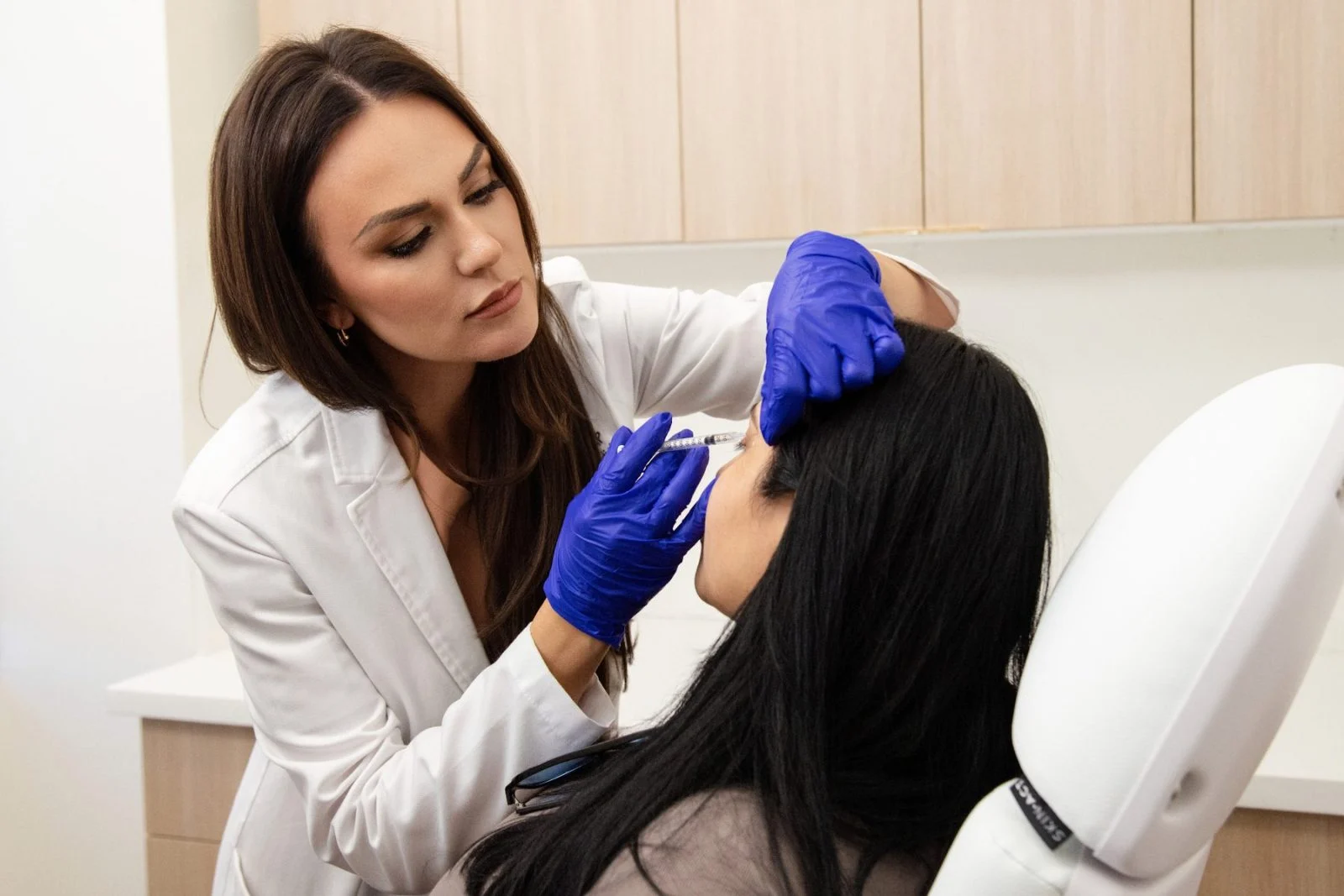

Aesthetic medicine has matured in a way that patients can feel almost immediately. Not long ago, people often had to choose between subtle results with little downtime or dramatic results with a long recovery. That gap has narrowed. Devices have become more precise, treatment plans Fotona Laser Treatments Encino, CA more individualized, and patient expectations more informed. Among the platforms that come up repeatedly in serious conversations about noninvasive rejuvenation, Fotona has earned unusual staying power.
That is especially relevant in a place like Encino, where patients are often balancing visible professional lives, active social calendars, and little appetite for extended downtime. People want treatments that fit real schedules. They also want honest guidance about what a laser can and cannot do. The discussion around Fotona Laser Treatments Encino, CA tends to reflect that practical mindset. It is less about chasing novelty and more about finding reliable technology that can address texture, laxity, pigmentation concerns, acne scarring, vascular issues, and intimate wellness with a reasonable margin of safety in experienced hands.
What makes Fotona interesting is not just branding or recognition. It is the flexibility of the platform itself. Rather than being a one-note device designed for a single cosmetic concern, Fotona systems are known for combining different wavelengths and delivery modes that allow providers to treat both superficial and deeper tissue targets. That matters because skin aging is never one-dimensional. Fine lines do not appear in isolation. Laxity often accompanies texture changes. Acne scars may coexist with persistent redness or enlarged pores. A more versatile device gives a skilled clinician more room to build a treatment plan around the person instead of forcing the person into the limits of the machine.
Why Fotona has become a serious player in aesthetics
In practice, Fotona technology is often discussed through two major laser wavelengths: Er:YAG and Nd:YAG. Patients do not need to memorize the physics, but understanding the difference helps explain why results can be so varied. Er:YAG is especially useful for more superficial resurfacing and precise ablation. It can improve texture, soften lines, and refine areas where surface irregularity is a major complaint. Nd:YAG reaches deeper and is frequently used for collagen remodeling, vascular concerns, hair reduction, and tightening protocols.
That dual capability is one reason experienced practices value the system. Instead of relying on a single mechanism, clinicians can layer treatments or alternate approaches depending on the anatomy, skin type, and recovery tolerance of the patient. In a busy aesthetic practice, that kind of adaptability is not a luxury. It is often the difference between a good plan and a generic one.
There is also a practical reality behind patient interest. Many people arrive at consultations after trying peels, facials, radiofrequency, injectables, or lower-powered light treatments. Some were pleased but plateaued. Others saw partial improvement but still felt their skin looked tired under certain lighting, especially around the eyes, mouth, and jawline. Laser technology tends to enter the conversation at that point because it can influence tissue remodeling more meaningfully than many surface-level treatments.
What patients in Encino are usually looking for
Encino is not unique in wanting aesthetic improvement with minimal disruption, but the local patient profile often leans toward treatments that preserve normal life. People want to return to work, attend meetings, go out to dinner, and still look like themselves. They may accept several days of redness or swelling if the treatment is worth it, but they rarely want surprises.
That shapes how Fotona treatments are presented and selected. The ideal candidate is not always the person asking for the strongest possible intervention. More often, it is the person willing to accept a staged plan. A series of lighter treatments may fit one lifestyle better than a single aggressive resurfacing session. On the other hand, someone with etched-in lines or long-standing acne scarring may decide that a more intensive approach is more efficient overall, even if recovery is more noticeable.
This is where an experienced provider earns trust. Device quality matters, but judgment matters more. Two patients with the same age and similar complaints may need very different settings, spacing, and combinations. Skin tone, rosacea history, melasma tendencies, scar behavior, medication use, and sun habits all influence the right choice.
The treatments people ask about most often
Fotona is not one treatment. It is a platform used for several categories of care, and that distinction is important because patients often hear one catchy name and assume it covers everything.
SmoothEye, for example, is often discussed for the periocular area, where crepey texture and mild laxity can make a face look more tired than it feels. TightSculpting protocols are associated with noninvasive contouring and skin tightening in selected areas. NightLase is better known in airway and snoring conversations, though many patients first encounter the brand through aesthetic channels. IntimaLase and related gynecologic applications have also brought Fotona attention outside traditional cosmetic medicine.
For facial aesthetics, the most common appeal is the ability to work at different depths. A patient may want resurfacing around the mouth, tightening along the lower face, and collagen support under the eyes, all within a plan that remains coherent rather than pieced together from unrelated devices. When the clinician understands the platform well, this becomes possible.
The caveat is that a device with many settings also creates room for overselling. Not every concern needs a laser. Not every face benefits from stacking multiple modalities at once. Good practices tend to be conservative about sequencing because inflamed tissue does not always reward enthusiasm. Skin responds best when treatment intensity matches the biology of healing.
How results tend to unfold in real life
One of the biggest misunderstandings around laser work is timing. Some improvements are visible quickly. Others take months. Surface smoothing can become obvious within days or weeks, once peeling or redness subsides. Deeper collagen remodeling tends to declare itself later. Skin may feel firmer before it looks dramatically different. That can be frustrating for patients who expect a before-and-after reveal by the weekend.
In my experience, the most satisfied laser patients are the ones who understand this from the beginning. They are not disappointed by gradual change because they were told to expect it. They also know that “one session” is often marketing language rather than the whole truth. Certain concerns, especially diffuse textural aging or acne scars, respond best over a series. Not because the first treatment failed, but because tissue remodeling is cumulative.
Another point worth stating plainly is that improvement is not the same as perfection. Fine lines can soften without disappearing. Pores can look smaller without becoming invisible. Scar edges can blend better while some deeper tethering remains. The problem in aesthetic medicine is rarely that patients expect too little. It is usually that they have seen edited images, heard simplified claims, or confused social media speed with biological speed.
Safety depends on more than the machine
When patients compare technologies, they often ask which laser is safest. The better question is safer for whom, for what concern, and in whose hands. A highly capable laser used poorly is a liability. A thoughtfully calibrated treatment on the right patient is a very different experience.
Skin type is a major part of this. Darker skin tones are not automatically excluded from laser care, but they do require caution, proper wavelength selection, conservative parameters when appropriate, and clear aftercare. The risk of post-inflammatory hyperpigmentation is real. So is the risk of under-treating out of fear. The right answer usually sits in the middle, shaped by experience rather than dogma.
Pretreatment planning also matters more than many people realize. Recent tanning, self-tanner use, active infections, isotretinoin history, photosensitizing medications, autoimmune conditions, and a tendency toward melasma can all affect timing or candidacy. This is one reason rushed consultations often produce poor outcomes. A good laser plan starts with questions that may seem unrelated until something goes wrong.
Aftercare is equally important. Patients sometimes spend heavily on treatment and then become casual about post-procedure behavior. That is an expensive mistake. Sun exposure, friction, picking, harsh actives, and early workouts after certain procedures can all complicate recovery. Much of the final outcome is set not only by what happens in the treatment room, but by what happens during the next week or two.
What a thoughtful consultation should cover
A proper consultation for Fotona should feel specific. If every patient hears the same pitch, that is a warning sign. The conversation should connect your goals to actual tissue changes, explain likely trade-offs, and address what the provider would do if you were not the ideal candidate.
A few practical questions can quickly reveal whether the plan is grounded:
- Which Fotona wavelength or protocol are you recommending for my concern, and why?
- How much downtime should I realistically expect, not best case, but typical case?
- How many sessions do patients like me usually need before the change is obvious?
- What are the main risks for my skin tone, history, and treatment area?
- If this were your face or body, would you still choose this approach over alternatives?
Those questions tend to move the discussion away from sales language and toward clinical reasoning. That is where meaningful decision-making happens.
Where Fotona fits among other technologies
Patients often compare laser treatment to radiofrequency microneedling, traditional ablative resurfacing, ultrasound tightening, injectables, chemical peels, and surgery. Each tool has a place. The challenge is that marketing frequently blurs categories that are not truly interchangeable.
Fotona can be particularly appealing for the patient who wants more than spa-level improvement but is not ready for surgery. It can also complement injectables well. Neurotoxins reduce dynamic muscle movement. Fillers restore or reshape volume. Laser treatments improve skin quality, collagen behavior, and in some protocols, tighten tissue. Those are different jobs. When used thoughtfully, they do not compete so much as complete each other.
Compared with surgery, however, there is a ceiling. If someone has significant lower face jowling, heavy neck laxity, or substantial eyelid skin excess, no responsible provider should present laser treatment as an equivalent substitute. It may refine, tighten modestly, or improve surface quality beautifully, but it will not recreate a surgical result. Patients appreciate honesty here, even when it means hearing that technology has limits.
This is also where the future of aesthetics is becoming more interesting. The field is moving away from single-device promises and toward integrated treatment architecture. Instead of asking which machine is best in absolute terms, the better question is how different modalities can be sequenced to get a result that looks natural, lasts reasonably well, and respects downtime constraints.
The future of aesthetic technology is precision, not just power
For years, the public conversation around devices focused on stronger, faster, newer. That mindset is fading. The next phase of aesthetic technology is likely to reward precision more than brute force. Better patient imaging, more individualized parameter selection, improved understanding of skin biology, and smarter combination protocols are becoming more valuable than simply increasing energy delivery.
Fotona already fits some of that direction because its appeal lies in versatility. The future likely belongs to platforms that can adapt to anatomy, skin type, and treatment goals with greater nuance. That does not necessarily mean a patient will notice futuristic hardware. More often, the change will show up in better planning, fewer poorly matched treatments, and more consistent results across a wider range of patients.
Several trends are shaping that future:
- Combination protocols will continue to outperform one-off treatments for many concerns, especially when texture, tone, and laxity overlap.
- Recovery management will become a bigger differentiator, with practices investing more in preconditioning skin and supporting healing afterward.
- Personalization for diverse skin tones will keep improving, driven by demand for safer treatment pathways and better clinician education.
- Objective imaging and digital skin analysis will likely play a larger role in tracking progress and setting expectations.
- Regenerative medicine, including adjunctive biologic approaches, may increasingly be paired with laser treatment where evidence and clinician judgment support it.
These trends point to a broader change in patient culture as well. More people now want to know not only what treatment is being recommended, but why it was chosen over other options. That is healthy for the field. It pressures providers to think more carefully and communicate more clearly.
Why natural-looking results remain the real benchmark
Technology can be impressive without being beautiful. That distinction matters. The best aesthetic outcomes rarely announce themselves as procedures. They read as rested skin, cleaner texture, less shadowing, tighter contours, and a face that looks more aligned with the person’s energy.
Fotona treatments can support that kind of result because they often work through gradual remodeling. There is less of the abrupt shift that makes people feel they look “done.” For many adults, especially professionals in image-conscious environments, that is a major advantage. They want compliments on looking well, not interrogations about what they had done.
Natural-looking results also tend to come from restraint. A provider who knows when to stop, when to stage treatment, and when to leave a face alone is often more valuable than one with the longest menu. This is true with lasers just as it is with filler. Skin can become healthier-looking without being aggressively polished into uniformity. In fact, a little texture is often what makes skin look real and attractive.
The economics patients should think about
Cost conversations around laser care are often simplified to price per session, but that number alone can be misleading. A cheaper treatment that produces modest Fotona Laser Treatments Encino, CA change and must be repeated many times may not be more economical than a pricier treatment with stronger impact. At the same time, the most expensive option is not automatically the most appropriate.
Patients in Encino tend to weigh value in a more layered way. They think about downtime, number of visits, maintenance needs, and whether the treatment addresses one concern or several at once. A comprehensive plan that improves texture, mild laxity, and pore appearance in a coordinated way may feel more worthwhile than bouncing between lower-cost treatments that each do a little.
Maintenance should be discussed openly. Skin continues to age. Sun exposure continues to matter. Hormonal shifts, weight changes, stress, and sleep patterns all leave their mark. Laser treatment can reset or improve a baseline, but it does not freeze time. The best practices talk about upkeep without making it sound like a treadmill.
Choosing a provider in Encino with discernment
Local access to aesthetic care can be both a benefit and a trap. In an area with many options, polished branding can overshadow substance. Patients should look beyond décor and social media. Training, treatment philosophy, before-and-after consistency, and the quality of consultation matter more than a waiting room designed for photos.
Experience with the specific Fotona protocols being recommended is especially important. A broad statement that a clinic “offers lasers” is not enough. Devices are only as good as the person selecting candidates, setting parameters, and managing complications if they arise. Practices that document thoughtfully, follow up carefully, and are willing to say no often produce the most dependable results.
It also helps when a provider can explain when Fotona is not the answer. That may sound counterintuitive, but it is one of the strongest markers of credibility. If every concern somehow leads to the same device, the consultation is serving inventory before judgment.
The larger picture
Aesthetic technology is moving toward treatments that are more adaptive, less one-size-fits-all, and better integrated into long-term skin strategy. Fotona sits comfortably in that evolution because it offers clinicians room to tailor care rather than forcing them into a narrow box. For patients in Encino, that can translate into plans that are realistic about downtime, calibrated to skin type, and focused on changes people actually notice in daily life.
The future is not about replacing judgment with machinery. It is about giving skilled providers better tools to work with living tissue in a more precise, measured way. Patients will benefit most when they see laser treatment not as a magic wand, but as one powerful part of an overall aesthetic plan grounded in anatomy, healing, and common sense.
That is why Fotona continues to hold attention. Not because it promises everything, but because, used well, it can do several important things very competently. In aesthetic medicine, that kind of reliability tends to age better than hype.
OMNIA Wellness Center
Address: 16430 Ventura Blvd Ste 207, Encino, CA 91436
Phone number: +18183868511
FAQ About Fotona Laser Treatments Encino, CA
What is a Fotona laser good for?
A Fotona Laser system is a versatile, dual-wavelength medical laser used primarily for non-surgical skin tightening, anti-aging rejuvenation, and dermatological treatments.
How much does the Fotona laser cost?
The cost of a Fotona laser depends heavily on whether you are looking to purchase a laser machine for a medical practice or are a patient seeking a laser treatment at a medspa.
Is a Fotona laser worth it?
A Fotona laser treatment is generally worth it if you want non-surgical skin tightening, improved texture, and collagen stimulation with very little downtime.