Understanding the 4 Steps of Fotona 4D Laser Facial (TimeWalker)
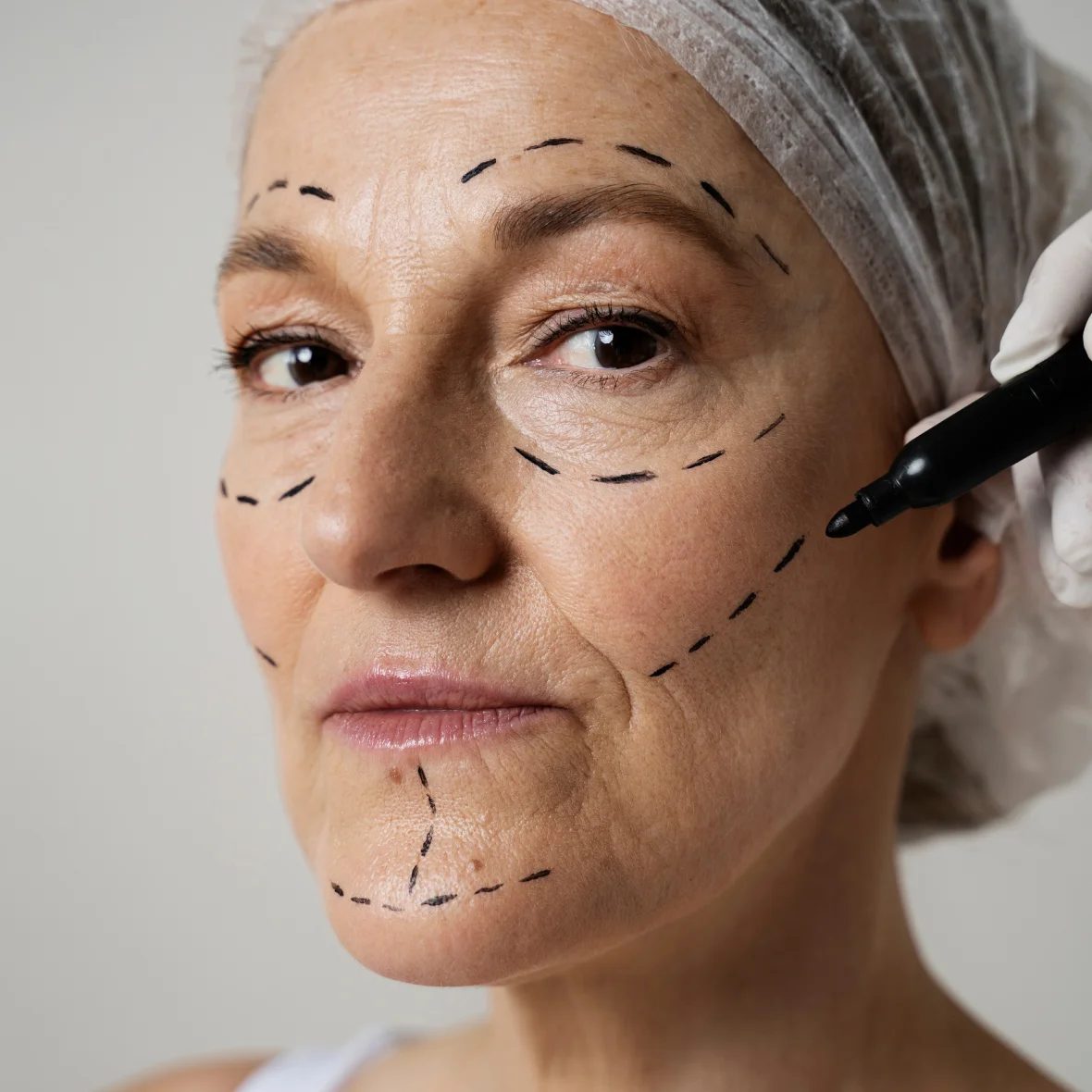
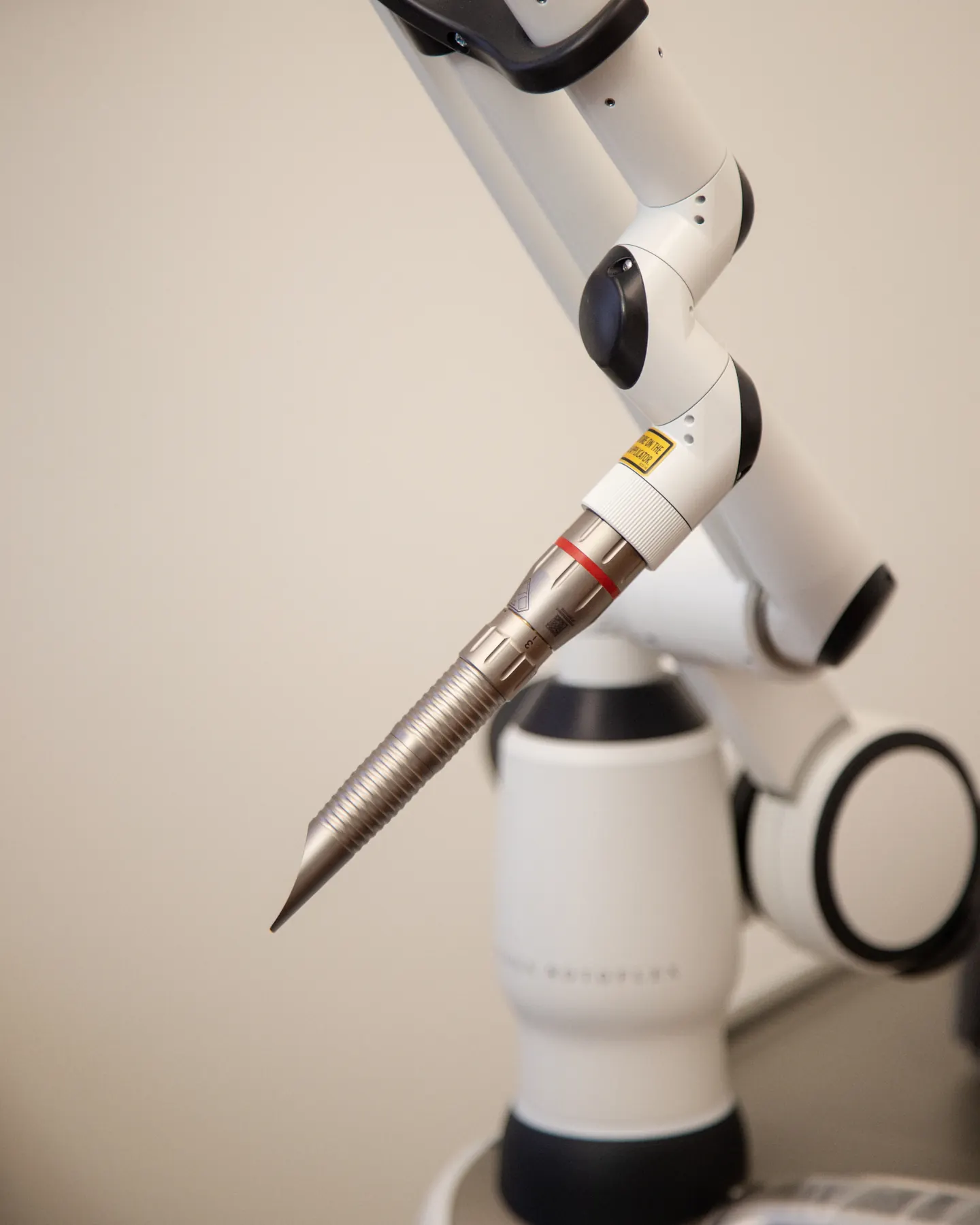
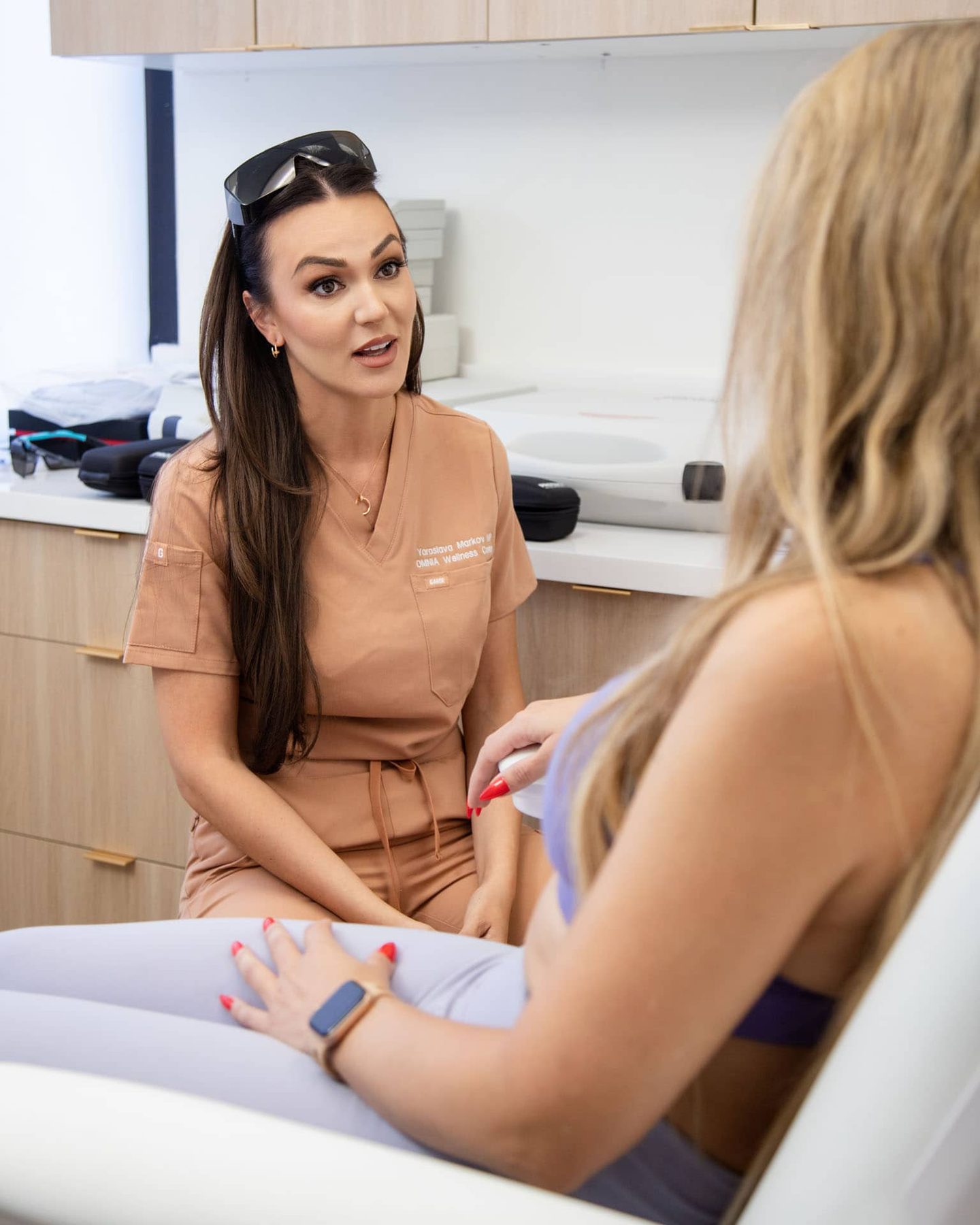
Patients often arrive asking the same question in slightly different ways. Is Fotona 4D a laser resurfacing treatment, a tightening treatment, or a collagen treatment? The honest answer is that it sits in all three categories, which is exactly why it gets so much attention. The Fotona 4D Laser Facial (TimeWalker) is designed as a layered treatment, not a single-pass laser appointment. It works by addressing tissue at different depths, with different wavelengths and delivery modes, in a sequence that aims to improve tone, firmness, texture, and overall skin quality without the level of downtime many people associate with aggressive ablative resurfacing.
That layered design is the part worth understanding. A lot of confusion comes from the name itself. “4D” sounds like a marketing phrase until you see how the treatment is actually structured. It OMNIA Wellness Center Fotona 4D Laser Facial (TimeWalker) refers to four distinct treatment steps, each targeting a different plane of tissue or skin concern. One step works from inside the mouth, one focuses on deeper tightening, one addresses surface imperfections, and one polishes the skin. When done thoughtfully, the combined effect is often more balanced and natural-looking than a treatment that attacks only the topmost layer of the skin.
TimeWalker is the platform name associated with this treatment in many clinics. Depending on the practice, the provider may refer to it simply as Fotona 4D, TimeWalker Fotona 4D, or a Fotona 4D Laser Facial (TimeWalker). The terminology can vary, but the treatment concept is the same: four coordinated steps that build on each other.
Why the four-step approach matters
The face does not age in one layer. Laxity develops in deeper tissues. Fine lines show up in the dermis and epidermis. Texture changes can come from years of sun exposure, acne scarring, enlarged pores, and slower cell turnover. Around the mouth and lower face, volume support weakens, and the skin begins to fold and soften in a way that no single cream or quick treatment can fully correct.
That is why a one-dimensional approach often disappoints. If a treatment only heats the surface, you may get brightness but not meaningful tightening. If it only heats deep tissue, the skin may feel a bit firmer but still look rough or tired. Fotona 4D was developed around the idea that better aesthetic results come from treating different depths in the same session, using each step to complement the others.
In practice, this matters most for patients who want visible improvement without looking overdone. Many are not ready for surgery, and many do not want the recovery associated with older-style full ablative resurfacing. They still want more than a “lunchtime facial.” The appeal of Fotona 4D is that it sits in the middle ground: more purposeful than a superficial glow treatment, usually gentler than an aggressive resurfacing protocol, and versatile enough to customize.
The four steps, and what each one is trying to do
The easiest way to understand the treatment is to look at the four stages individually.
- SmoothLiftin treats from inside the mouth to target the oral mucosa and support collagen remodeling around the perioral region, nasolabial area, and lower face.
- FRAC3 delivers targeted energy to deeper imperfections and textural irregularities, often focusing on concerns such as fine lines, enlarged pores, and uneven tone.
- PIANO provides controlled bulk heating for deeper tightening, typically working on skin laxity and overall firmness.
- SupErficial lightly resurfaces and polishes the top layer of the skin to improve brightness and texture.
That list makes the sequence sound simple, but the nuance lies in what each phase feels like, who benefits most, and how settings are adjusted.
Step one: SmoothLiftin, the inside-out portion people rarely expect
This is the part that surprises first-time patients. SmoothLiftin is delivered intraorally, meaning the laser is used inside the mouth along the cheeks and around the lip area. For someone hearing that for the first time, it can sound strange, but the logic is sound. The tissue inside the mouth gives access to collagen-rich areas that influence support around the nasolabial folds, perioral lines, and lower cheek.
From a clinical perspective, this step is less about dramatic visible injury and more about controlled thermal stimulation. The goal is to heat tissue enough to encourage collagen remodeling and contraction without creating the type of surface wounding that requires prolonged healing. Patients usually describe the sensation as warm and unusual rather than painful. It is not a spa-like step, but it is generally brief and tolerable.
This inside-out approach is one reason Fotona 4D feels different from standard facial lasers. Traditional resurfacing works from the outside in. SmoothLiftin flips that concept and uses internal access to support the soft tissue framework from beneath. In patients with early lower-face heaviness, softening around the mouth, or crepey upper lip skin, this stage can be particularly useful.
It is important to keep expectations realistic. SmoothLiftin does not replace a facelift, and it does not create filler-like volume. What it can do is contribute to a firmer, more supported look over time, especially when repeated as part of a treatment course. I have seen the best responses in patients who are beginning to notice mild to moderate laxity rather than those with advanced tissue descent.
Step two: FRAC3, targeted correction rather than blanket resurfacing
FRAC3 is often the step where providers tailor the treatment most carefully. Instead of treating every square millimeter with the same intensity, this mode can selectively target imperfections based on the way the tissue absorbs energy. That makes it useful for addressing concerns that sit below the surface but still show up visibly, such as fine lines, textural unevenness, acne marks, or enlarged pores.
The practical advantage is precision. Rather than aggressively removing the top layer of skin everywhere, FRAC3 can concentrate energy where the skin needs remodeling most. For patients with mixed concerns, this matters. A person with mild acne scarring on the cheeks and fine lines around the eyes does not necessarily need the same level of treatment across the whole face.
What patients usually notice after this phase depends on settings and skin sensitivity. Some leave mildly pink. Others develop a sandpapery feel for a few days as the skin renews itself. The downtime is typically manageable, but it is not zero in every case. That distinction matters because “no downtime” gets used too loosely in aesthetics. A better way to frame it is low to moderate downtime for most people, with variability based on intensity, skin type, and how much correction is being pursued.
FRAC3 also highlights why provider judgment matters. More energy is not always better. On thinner or reactive skin, overtreatment can lead to unnecessary irritation and a prolonged red phase. On more resilient skin with visible textural issues, a conservative setting may be too mild to justify the appointment. Good outcomes often come from calibrating ambition to tissue quality, not from maxing out the machine.
Step three: PIANO, the deep heating phase that drives tightening
If SmoothLiftin works from within and FRAC3 targets imperfections, PIANO is the stage most closely associated with the tightening component of the Fotona 4D Laser Facial (TimeWalker). This mode delivers controlled bulk heating over a larger area, typically at a depth intended to affect collagen and supportive structures below the superficial skin layer.
Patients often describe this phase as the warmest part of the treatment. It can feel like sustained heat building across the cheeks, jawline, or neck. When done properly, it is deliberate and tolerable, with the provider continually moving the handpiece to maintain even heating. The aim Fotona 4D Laser Facial (TimeWalker) is not to burn the surface. It is to create enough thermal effect in deeper tissue to stimulate contraction and remodeling.
This is also the phase where people expecting an immediate facelift-like snapback can get confused. Deep thermal tightening works gradually. There may be some short-term firming from tissue contraction, but the more meaningful benefit tends to unfold over several weeks to months as collagen remodeling continues. In that sense, PIANO rewards patience.
The lower face and jawline are common targets here, particularly in patients with early jowling or a slightly softened contour. It can also be incorporated into neck treatment. In my experience, this stage tends to produce the most satisfaction in patients who understand subtlety. They usually say things like, “My skin feels denser,” or “My jawline looks cleaner in photos,” rather than, “I look like I had surgery.” That is a healthy expectation.
Step four: SupErficial, the finishing pass that people notice fastest
The final stage, SupErficial, is the one that often delivers the quickest visible payoff. It lightly resurfaces the skin, helping improve brightness, texture, and that smoother finish people commonly associate with a refreshed complexion. If the deeper steps are about structure and collagen, this one is more about refinement.
There is a practical reason this phase is valuable even though it sounds less dramatic than the others. Patients judge results in the mirror, and surface quality shapes that impression. Skin that reflects light evenly looks healthier and younger, even when the underlying tightening is still developing. A modest improvement in texture can make pores look less obvious, makeup sit better, and the whole face appear more rested.
After SupErficial, there may be redness and a warm sensation similar to a mild sun exposure. Some patients flake lightly for a few days. Others simply notice that their skin feels dry and then looks fresher by the end of the week. The intensity can vary depending on the settings chosen and whether the provider is aiming for a true polishing effect or a more assertive resurfacing result.
This step is also where aftercare has an outsized impact. Good hydration, barrier support, sun protection, and avoidance of unnecessary irritation can make the recovery smoother and the final glow better.
What a full appointment usually feels like
A complete session is not usually rushed. Exact timing varies by clinic and by whether the neck or additional areas are included, but many appointments fall somewhere around 45 to 90 minutes. Numbing may or may not be used, depending on the protocol and the patient’s sensitivity. Some practices rely on topical anesthetic for comfort, while others find the treatment tolerable enough with cooling, breaks, and careful technique.
The experience itself changes as the treatment moves through the four stages. The intraoral step feels odd but brief. The deeper heating phase feels warm and steady. The resurfacing phase may bring a sharper, more prickly sensation. Most people can get through it comfortably, though comfort is not the same as pleasure. That is an important distinction. It is a real laser procedure, not a relaxing facial.
Right afterward, the skin may look flushed and feel warm. Some patients are socially presentable the same day, especially with lighter settings. Others prefer a day or two off from events. If a clinic promises that every patient will have no visible after-effects, it is worth asking how conservative their treatments are, because visible skin improvement generally requires enough energy to create some response.
Who tends to benefit most
The ideal candidate is usually someone with mild to moderate skin laxity, early textural aging, fine lines, or a tired-looking complexion that no longer responds well to skincare alone. Patients in their thirties, forties, fifties, and beyond can all be candidates, but the reason for treatment differs. A younger patient may be focused on prevention and pore refinement. A patient in their fifties may care more about lower-face softening and perioral lines.
Results are often strongest in people who still have decent baseline skin quality and want meaningful but non-surgical improvement. Those with severe laxity, substantial excess skin, or deep static folds may still benefit, but they should understand the ceiling of non-surgical technology. Laser tightening can help, but it cannot recreate the lift achieved by surgery in advanced cases.
Skin type matters too. The Fotona platform is versatile, but not every mode and setting suits every complexion equally. This is where an experienced provider earns their keep. A thoughtful consultation should cover pigment risk, sensitivity, recent sun exposure, history of melasma, active acne, cold sores, and use of retinoids or photosensitizing medications.
Where expectations often go wrong
Most disappointment in aesthetic medicine starts with timing or magnitude. Fotona 4D is not usually a one-day transformation. Some people notice an early glow within the first week, but tightening and collagen-driven improvements tend to unfold over time. That means the treatment is better judged at several weeks and sometimes a few months rather than the next morning.
The other issue is expecting one session to do everything. Some patients do see worthwhile change after a single treatment, particularly if their concerns are mild. But a series often produces better cumulative results. Clinics commonly recommend multiple sessions spaced several weeks apart, then maintenance based on age, skin behavior, and personal goals. The exact number should come from evaluation, not from a one-size-fits-all package.
The final misconception is that “laser facial” means feather-light. The name sounds gentle, but the treatment can be quite sophisticated. It is less invasive than surgery, yes, but it is still energy-based medicine. That is why consultation, informed consent, and operator skill are not optional details.
Recovery and aftercare, where small choices make a big difference
Aftercare is usually straightforward, but it matters more than many patients realize. For several days after treatment, the skin often benefits from a simpler routine than usual. That typically means a gentle cleanser, a bland moisturizer, and broad-spectrum sun protection. Strong acids, scrubs, and aggressive retinoids can wait until the skin barrier settles.
The first week is often shaped by common-sense decisions rather than complicated protocols:
- Keep the skin moisturized and protected from sun exposure.
- Avoid picking at flaking skin or using exfoliants too soon.
- Pause intense heat exposure such as saunas, steam rooms, or very hot workouts for the period advised by your provider.
- Follow any antiviral guidance if you have a history of cold sores.
- Resume active skincare only when the skin feels calm again.
I have seen good treatments undermined by poor aftercare, especially in patients who assume that if redness is mild, the barrier has fully recovered. Skin can look almost normal while still being more reactive than usual. A few days of restraint usually pays off.
How Fotona 4D compares with other rejuvenation treatments
It occupies an interesting middle lane. Compared with injectables, it does not replace volume the way filler does, and it does not relax muscle movement the way neuromodulators do. Compared with microneedling radiofrequency, it may offer a different balance of resurfacing and tightening depending on the protocol. Compared with fully ablative CO2 resurfacing, it is usually gentler with less downtime, but also less dramatic in a single session.
That does not make it better or worse in the abstract. It makes it suitable for a specific type of patient. Someone mainly bothered by etched smoker’s lines may benefit from a more focused resurfacing plan. Someone with volume loss through the midface may need filler or biostimulation more than laser alone. Someone with diffuse laxity and textural dullness may be an excellent Fotona 4D candidate.
The strongest treatment plans are often combination plans, not because clinics want to sell more procedures, but because aging is multifactorial. A laser can improve skin quality. It cannot restore fat compartments. Toxin can soften dynamic lines. It cannot resurface pores. Matching the tool to the problem is the real art.
Questions worth asking before booking
A patient does not need to become a laser physicist, but a few practical questions can reveal whether a clinic understands the treatment well. Ask who performs the procedure, how often they perform it, what kind of improvement they expect for your specific concerns, and what downtime is realistic for your skin. Ask whether photos of comparable patients are available, especially if your main concern is around the mouth, jawline, or acne-texture changes.
It is also reasonable to ask whether all four steps will actually be included. Some practices market a treatment under a familiar name while modifying the protocol heavily. Customization is not inherently bad, but you should know what is being done and why. If one of the four steps is omitted, there should be a clinical reason, not a vague answer.
The bigger picture
The reason the Fotona 4D Laser Facial (TimeWalker) remains popular is not that it promises miracles. It does not. Its value lies in its layered logic. By treating the face from the inside, the deeper dermal plane, the bulk tissue level, and the skin surface in one coordinated session, it addresses aging in a way that feels anatomically coherent. That is a stronger foundation than treatments built around hype alone.
For the right patient, that can translate into firmer-feeling skin, better texture, softer fine lines, and a more rested overall appearance. Not overnight, not indefinitely, and not without maintenance, but often enough to make it a meaningful option in the non-surgical space. The four steps are not just branding. They are the framework that makes the treatment make sense. Once you understand that sequence, the appeal of Fotona 4D becomes much easier to evaluate with clear eyes and realistic expectations.
OMNIA Wellness Center
Address: 16430 Ventura Blvd Ste 207, Encino, CA 91436
Phone: (818) 386-8511
FAQ About Fotona 4D Laser Facial (TimeWalker)
What are the benefits of Fotona laser treatment?
OMNIA offers this treatment for concerns such as uneven texture, dull tone, and fine lines. Results and the number of sessions vary, so discuss your goals with a provider.
Is Fotona laser safe?
A qualified provider should review your skin, medical history, medications, and recent sun exposure to determine whether the treatment is appropriate. Ask about possible irritation, pigment changes, and aftercare before booking.
How much does a Fotona 4D facelift cost?
Price depends on the treatment plan and number of visits. Ask OMNIA for an itemized estimate during your consultation.